





Creating a Perfect Sanctuary
Before the parent shrimp even arrive, hatchery farmers spend days preparing the perfect environment. They fill large, sterilized tanks with filtered seawater, meticulously adjusting the temperature, salinity, and pH levels.
In these tanks, oxygen is added constantly to keep the water well aerated. To ensure the broodstock stay healthy and active, farmers strictly limit the number of shrimp in each tank. This prevents overcrowding, reduces stress, and keeps the water quality at a premium level. It is a highly controlled sanctuary designed for one purpose: producing the strongest possible offspring.
From Microscopic Eggs to Post Larvae
Once the environment is set, males and females are gently paired. The productivity of a single female shrimp is staggering; after fertilization, she releases thousands of eggs. Within just 12 to 24 hours, those eggs hatch into microscopic larvae known as nauplii.
Over the next 10 to 12 days, these tiny creatures undergo a fascinating transformation. They move through several metamorphosis stages: known as protozoea and mysis: gradually evolving into the "post larvae" (PLs) that farmers recognize. This rapid development is a delicate time where the hatchery team monitors every shift in the water to ensure the young shrimp are growing correctly.
Packing for the Big Journey
When the post larvae reach the ideal size, they are ready for their move to the grow out ponds. Farmers gently drain the hatchery tanks and scoop the tiny shrimp out with extreme care.
To keep them safe during transport, the shrimp are placed into plastic bags filled with oxygenated water. Farmers also add a special activated charcoal based absorbent to the water. This clever addition soaks up any gases produced by the shrimp during travel, keeping the water clean and stable. Finally, the bags are sealed and loaded onto refrigerated trucks, destined for farms across the region.
This precise, scientific process is the foundation of the entire industry. By starting with healthy broodstock and a controlled hatchery environment, farmers ensure that the shrimp arriving at the pond are ready to grow into a successful harvest.
Go Inside the Hatchery
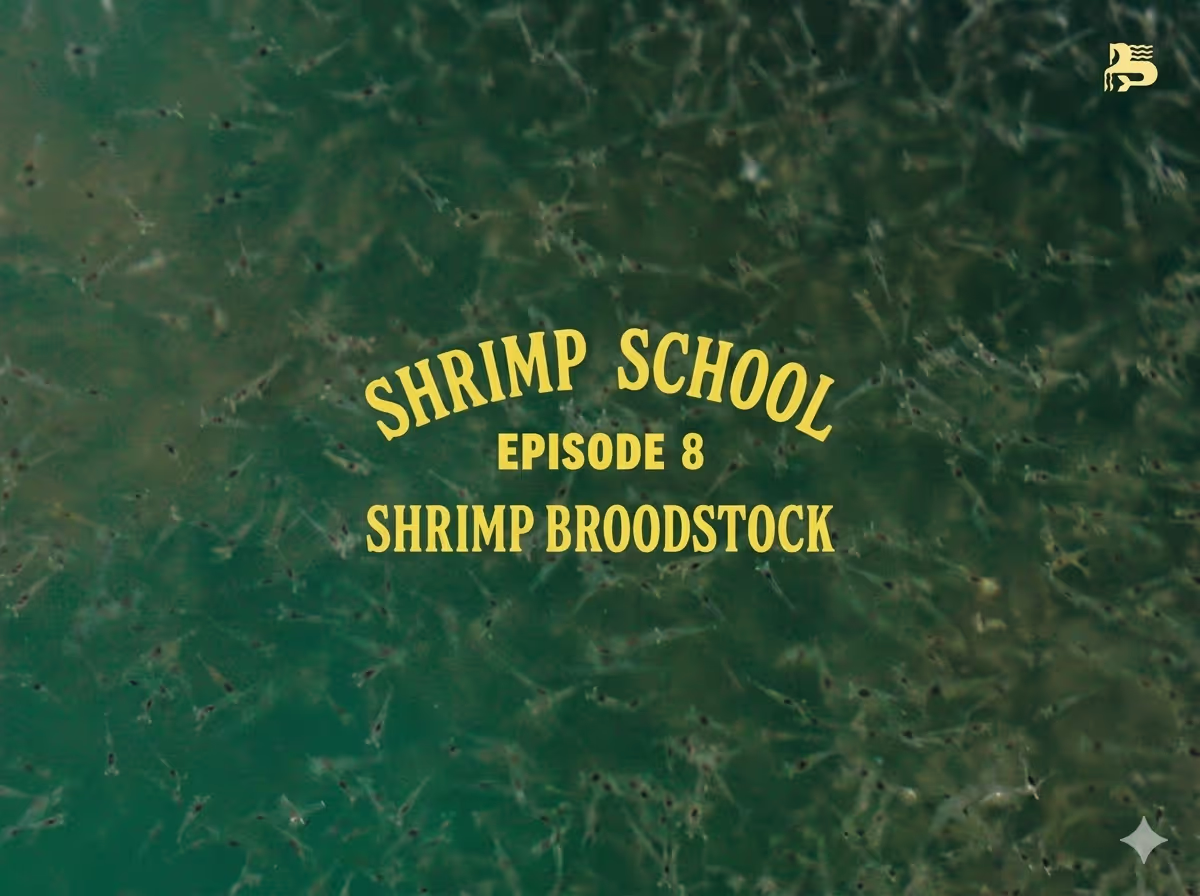
Want to see what broodstock look like up close or watch the metamorphosis of a tiny larva? Watch the eighth lesson of Shrimp School for a rare look at where the shrimp journey truly begins.
.avif)