




Starting with the Deep Blue
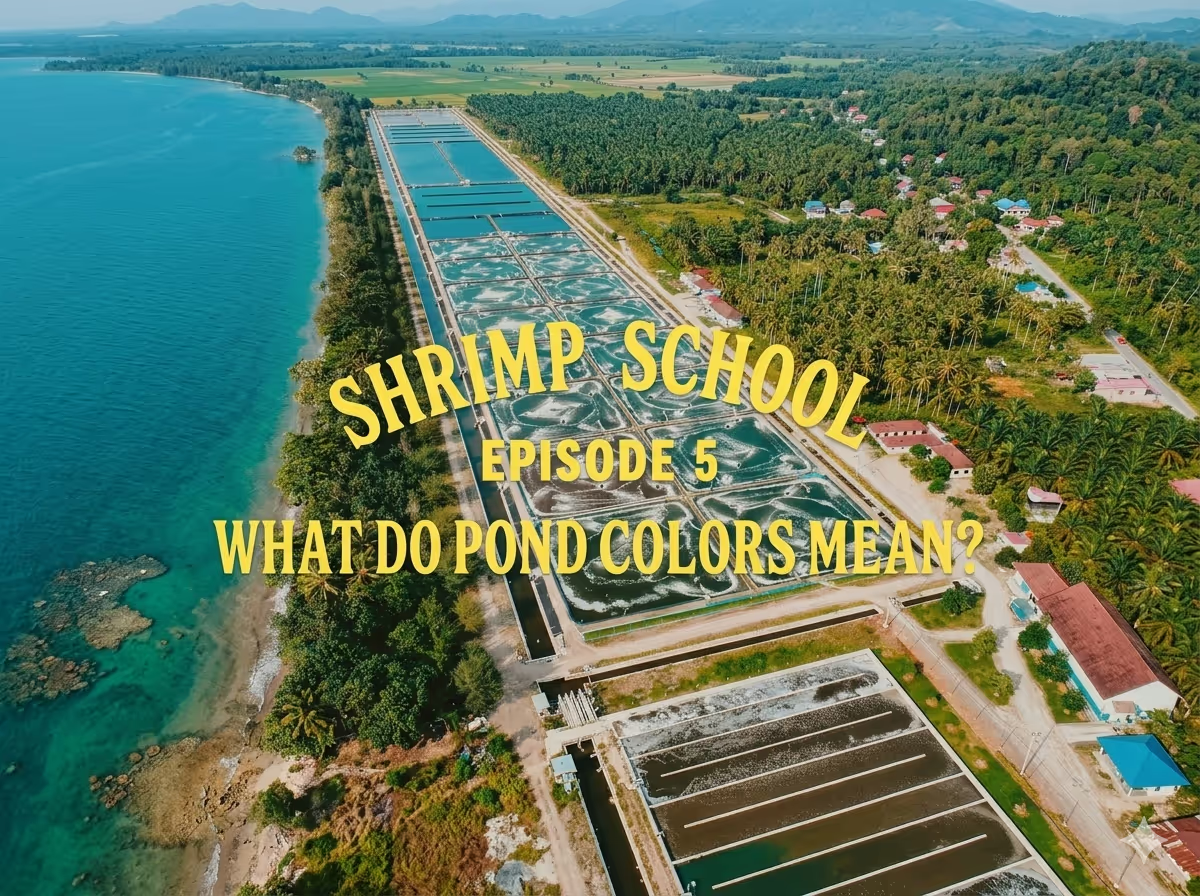
The process begins nearly two kilometers out at sea. Massive pipes stretch into the ocean to pull in fresh seawater. While this water is rich in the natural nutrients shrimp need, it is also unpredictable. To create a stable home for the harvest, farmers cannot just pump this water directly into the ponds.
Instead, the water goes through a careful "resting" phase. It sits in a settling pond for several days, allowing sand and suspended particles to drift slowly to the bottom. After a second round of settling, the water is finally pure enough to begin its transformation into a living ecosystem.
The Secret Ingredient: Beneficial Microbes
Once the water is settled, farmers introduce beneficial microbes to the pond. These tiny organisms are the architects of the environment. As they interact with the sunlight and the nutrients in the water, the pond begins to change color. This is the moment the water truly comes alive.
[Image showing three side-by-side jars of pond water in green, brown, and milky white]
Decoding the Palette
Each color provides the farmer with a different piece of information about the health of the pond:
- Green Water: This is a sign of healthy algae. Just like plants on land, these algae use sunlight to produce oxygen, which is vital for the shrimp to breathe and grow.
- Brown Water: This signals a bloom of diatoms. These are nutrient-rich microscopic organisms that provide a natural food source, ensuring the shrimp have plenty of energy.
- Milky White Water: This indicates a "Bacillus bloom." These beneficial bacteria are the cleaners of the pond, helping to break down organic matter and keep the environment balanced.
Foundation of Health
In the world of aquaculture, the water is more than just a place for shrimp to swim. It is the very foundation of their health. By monitoring these colors daily, farmers can ensure the ecosystem remains in perfect balance. When the color is right, the farmer knows the shrimp are thriving.
The next time you see a shrimp pond, remember that you aren't just looking at water. You are looking at a carefully managed, living system designed to produce the highest quality seafood possible.
See the Colors for Yourself
Want to see the difference between a healthy algae bloom and a beneficial bacterial bloom? Watch the fifth lesson of Shrimp School to see how our farmers manage these beautiful, dynamic ecosystems.