




Creating the Perfect Current
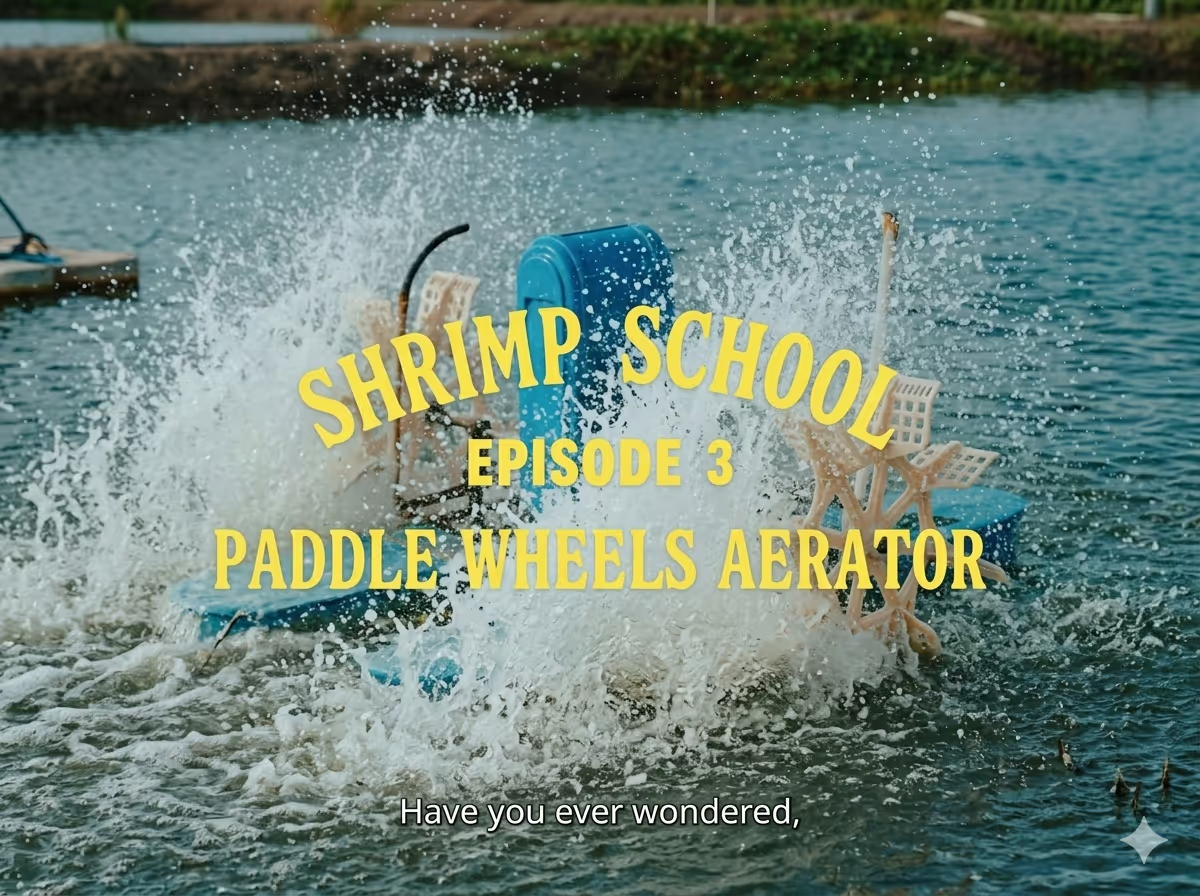
A shrimp pond is not meant to be still water. To keep the ecosystem healthy, the water needs to stay in constant motion. Paddle wheels are strategically placed across the pond to create a circular flow, similar to a slow, controlled whirlpool.
This movement serves two vital purposes for the daily management of the farm. First, it helps distribute shrimp feed more evenly, ensuring that every shrimp has access to nutrition regardless of where they are in the pond. Second, the current acts like a natural broom, guiding waste toward a central drain. This makes it much easier for farmers to keep the environment clean and prevent the buildup of harmful sludge.
The Lungs of the Farm
Beyond just moving water, paddle wheels are essential for respiration. Shrimp need oxygen just as much as any other living creature, and in a high density pond, natural oxygen levels can drop quickly.
As the paddles hit the surface, they splash and churn the water, which helps trap oxygen from the air and dissolve it into the pond. At the same time, this churning helps release dissolved gases that can be harmful if trapped at the bottom. This continuous turnover ensures that the water remains fresh, balanced, and full of life.
A Constant Commitment
Because these machines are so vital, farmers must check and maintain them around the clock. A mechanical failure could quickly lead to an oxygen drop, putting the entire harvest at risk. For a dedicated farmer, the sound of a splashing paddle wheel is the sound of a healthy, breathing pond.
When you enjoy fresh, high quality shrimp, you are seeing the result of this carefully managed environment. The paddle wheel is a simple machine, but it plays a powerful role in bringing sustainable seafood from the farm to your table.
See the Machines in Motion
Want to see how farmers position these machines to create the perfect whirlpool? Watch the third lesson of Shrimp School to see the engineering behind a healthy shrimp pond.