




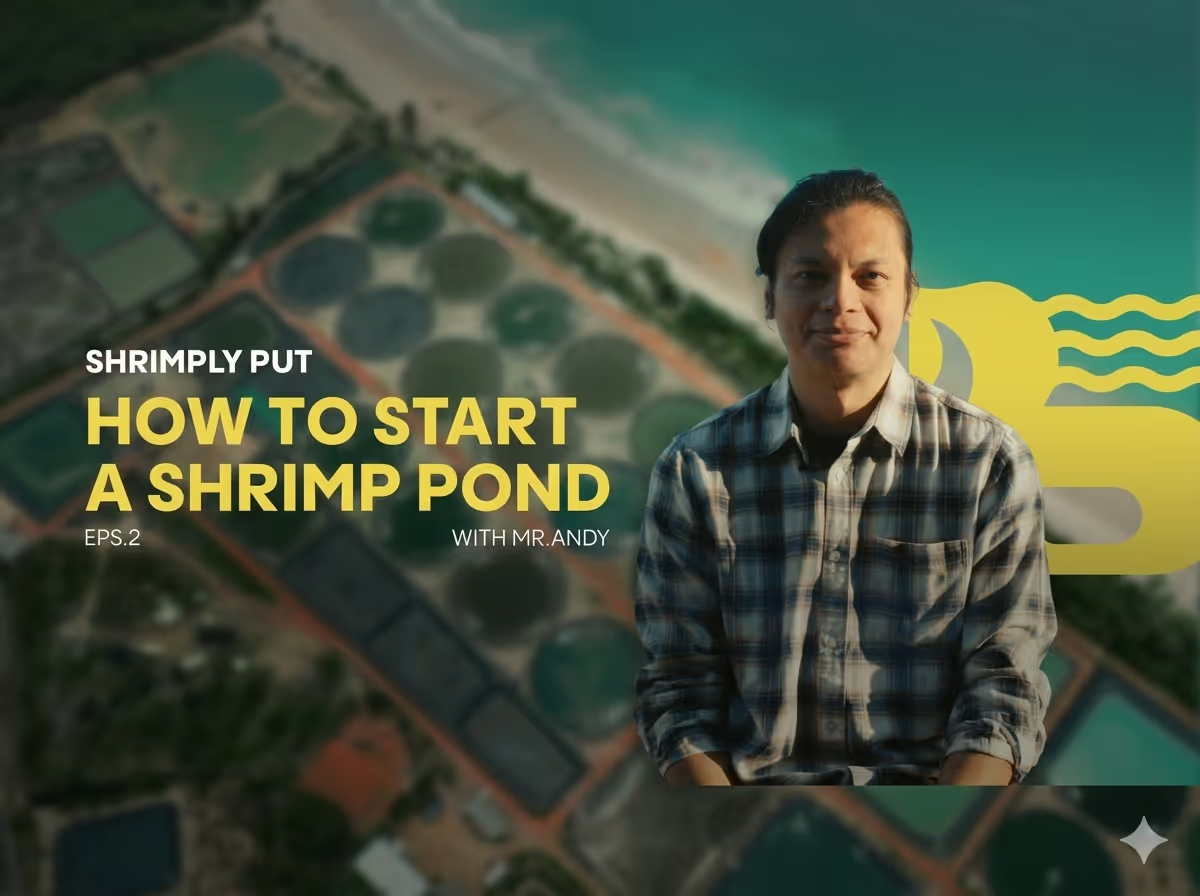

The Secret Ingredient: Saltwater
The most important factor in choosing a location is access to saltwater. White Leg shrimp thrive in salty environments, so proximity to the ocean is the first thing any prospective farmer should look for. Without a reliable supply of clean saltwater, the farm cannot function. As Andy explains, if your site is close enough to the sea to pump in saltwater, you are already on the right track toward success.
The "Smart Bath" Design
Andy describes a shrimp pond as a "giant bath, but smarter." The design is intentional and focused on cleanliness. Modern ponds are built with a slight slope that leads toward the middle. In the very center, engineers install a central drain.
This layout is essential because, like any living creature, shrimp produce waste. To keep the water from becoming toxic, the pond needs a way to clean itself constantly. This is where the engineering of the slope and the drain becomes the hero of the farm.
Keeping the Current Moving
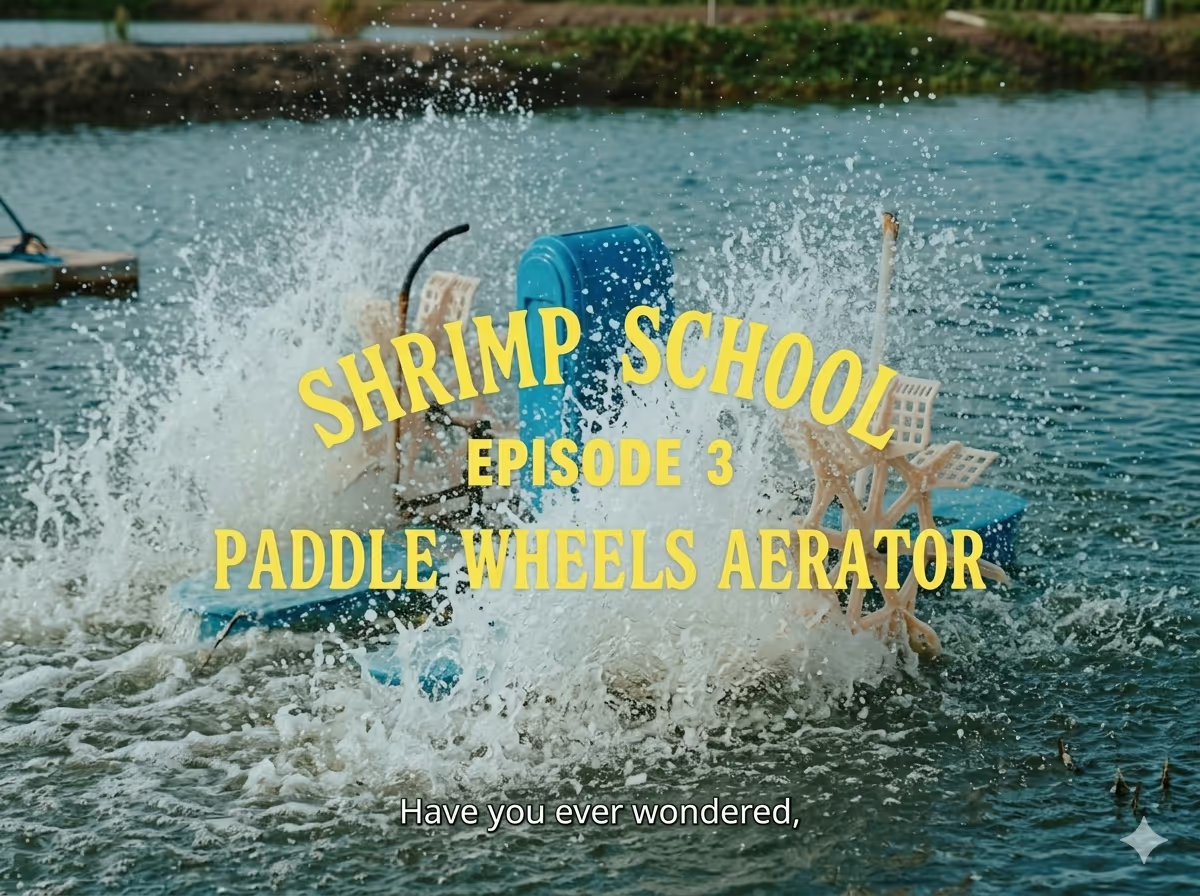
The third piece of the puzzle is the paddle wheel. These big, spinning aerators do more than just provide oxygen. They are positioned to create a circular current throughout the pond.
This current acts like a broom, sweeping all the waste and debris toward the center drain. By keeping the water moving, farmers ensure that the shrimp have a clean environment to grow in, which prevents disease and promotes better health.
When you get these three fundamentals right—proximity to saltwater, a sloped drain design, and consistent water movement—you have the foundation of a successful farm. It is these technical details that eventually lead to the high quality seafood you find at your local grocer.
See the Design in Action
Want to see exactly how a central drain works or how paddle wheels are positioned to keep a pond clean? Watch the full episode of Shrimply Put to see the construction and science for yourself.
.avif)