




The Chef’s Eye for Quality
Eko’s background in high end culinary arts gives him a unique perspective on what makes a "good" shrimp. He looks for a deep gray color and specific weight markers that signal a premium product.
To achieve this quality for customers at Kroger and Target, Eko manages his ponds with the same precision he once used for a recipe. His strategy is focused heavily on microbiology:
- Weekly Deep Testing: A complete analysis of water quality once a week.
- Daily Monitoring: Simple checks every morning and evening to ensure stability.
- The "Bacterial Balance": Working with specific strains like Bacillus, Lactobacillus, and Thiobacillus to maintain a healthy ecosystem.
Managing the Human Element
For Eko, the biggest challenge in aquaculture is not the shrimp, but communication. Because his team often comes from other farms with different habits, he spends a significant amount of time helping them adapt to his specific Standard Operating Procedures (SOPs).
"We have to slowly explain our systems," Eko says. "Communication between ourselves and the ones in charge of the pond is everything." This dedication to clear protocols is what ensures the consistency of every harvest.
A Responsible Future
Addressing concerns about the environment, Eko is quick to point out that modern Indonesian farming is a highly regulated and planned endeavor. His facility’s waste management was designed from the ground up and undergoes regular inspections by provincial government officials to ensure that wastewater flow into canals is safe and managed responsibly.
For Eko, the "best experience" of this career change has been the ability to make his wife happy and slowly begin building their own home. It is a journey of fate that he describes with a smile: "In my opinion, I am the luckiest person."
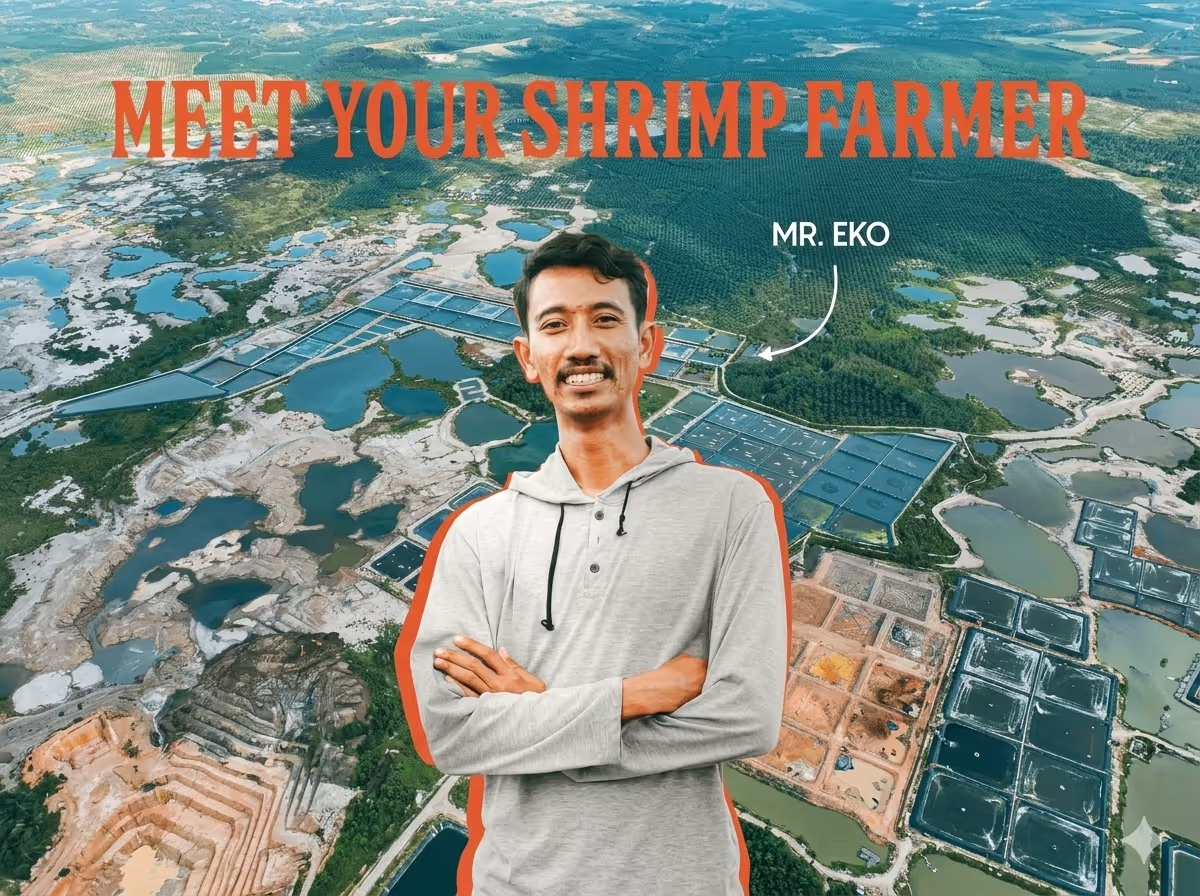
Meet the Man Behind The Ponds
Want to hear more about Eko’s transition from the Grand Hyatt to the "Shrimp Cowboy" lifestyle? Watch his full interview to see his 33 pond operation in action.