




A High Oxygen Welcome
The journey begins when the baby shrimp arrive by truck, sealed in oxygen filled bags to keep them alive during transit. However, you cannot simply pour them into a pond. The difference in water temperature and chemistry would be too much for their small systems to handle.
To manage this transition, farmers prepare a specialized conical tank filled with pond water. This tank is supported by an oxygen tube that keeps the water heavily aerated. Maintaining high levels of dissolved oxygen is the first priority: it ensures the shrimp are strong enough for the next step in the journey.
The Science of Acclimatization
Once the bags are opened and the shrimp enter the conical tank, a process called acclimatization begins. This is essentially a slow introduction to their new environment. Using a slow drip system, farmers gradually add water from the pond into the tank.
This slow mix is vital because it helps match the temperature, salinity, and pH levels of the bag water to the pond water. To keep the conditions perfect, farmers use a two pipe system to recycle the water within the tank, keeping it fresh and oxygenated. This 30 to 45 minute window is critical for preventing shock and stress, which are the biggest risks to a young shrimp’s survival.
A Gentle Transition
After the shrimp have adjusted to the new water chemistry, it is finally time to move them into the pond. Rather than using nets or buckets, which could cause physical damage, the farmers use a hose attached to the bottom of the conical tank.
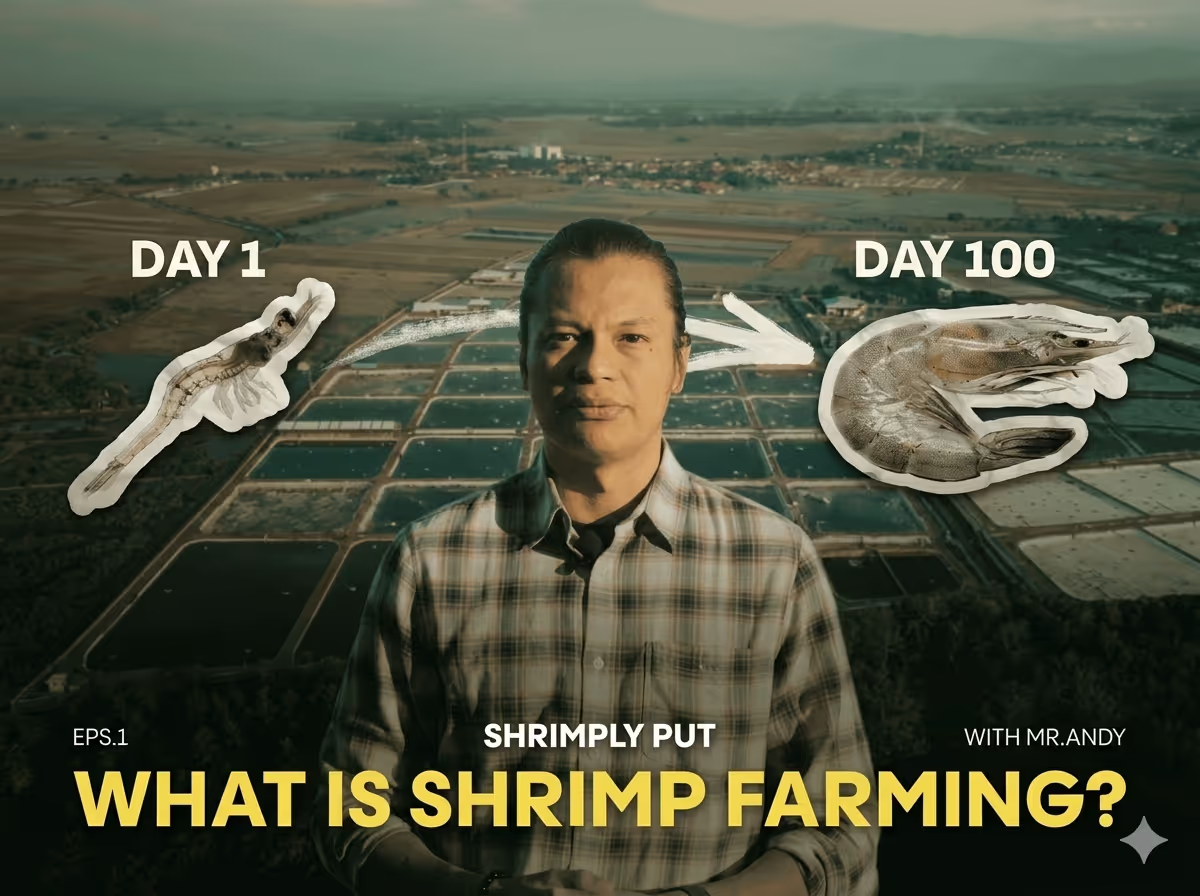
Gravity creates a gentle flow, allowing the shrimp to slide through the hose and into the pond without any sudden impacts. This smooth transition is the final step in a process defined by precision and care. It marks the official start of the shrimp’s 100 day journey from a tiny larva to a healthy, full grown harvest.
When you see a thriving pond, you are seeing the result of those first few minutes being handled with absolute expertise. Every great harvest starts with a gentle beginning.
Watch the New Arrivals
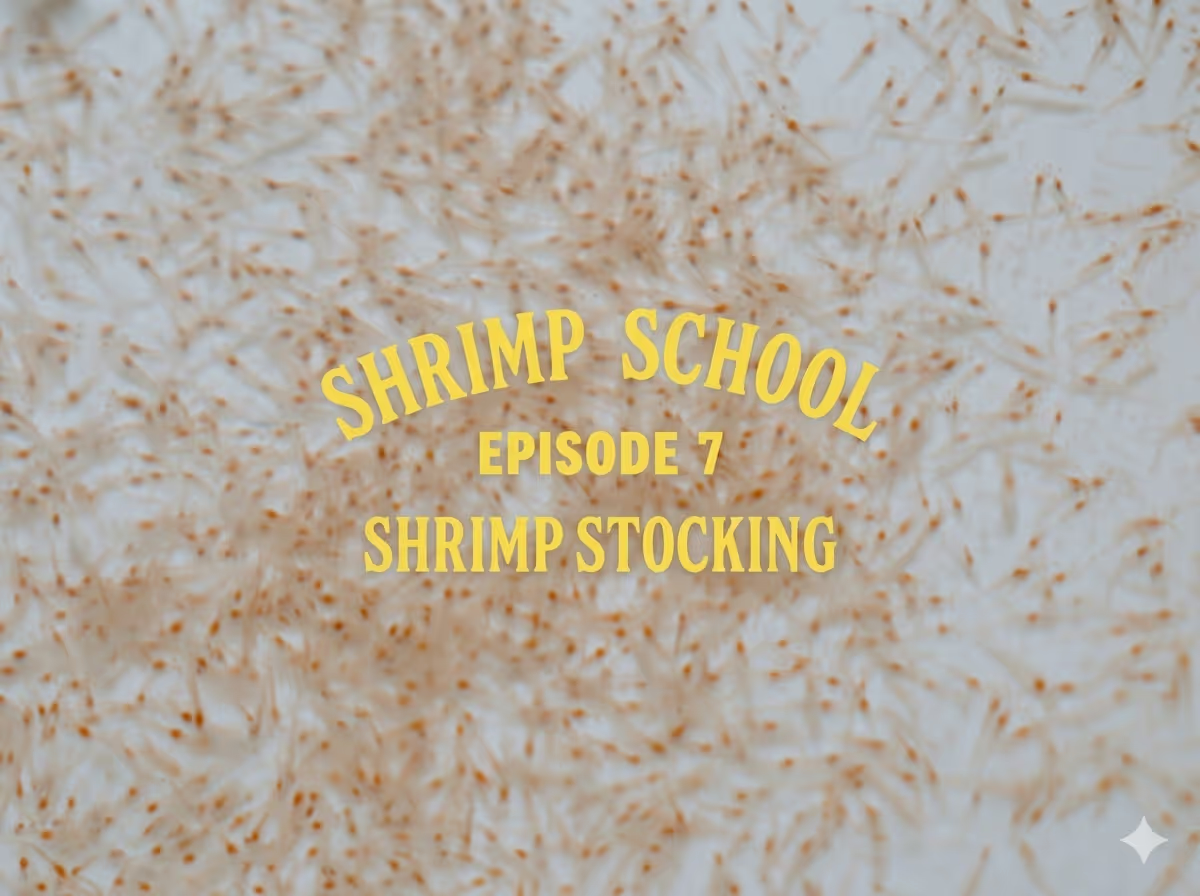
Want to see exactly how a conical tank works or how farmers manage the slow drip of water? Watch the seventh lesson of Shrimp School to see the stocking process in action.