





The Magic of Brackish Water
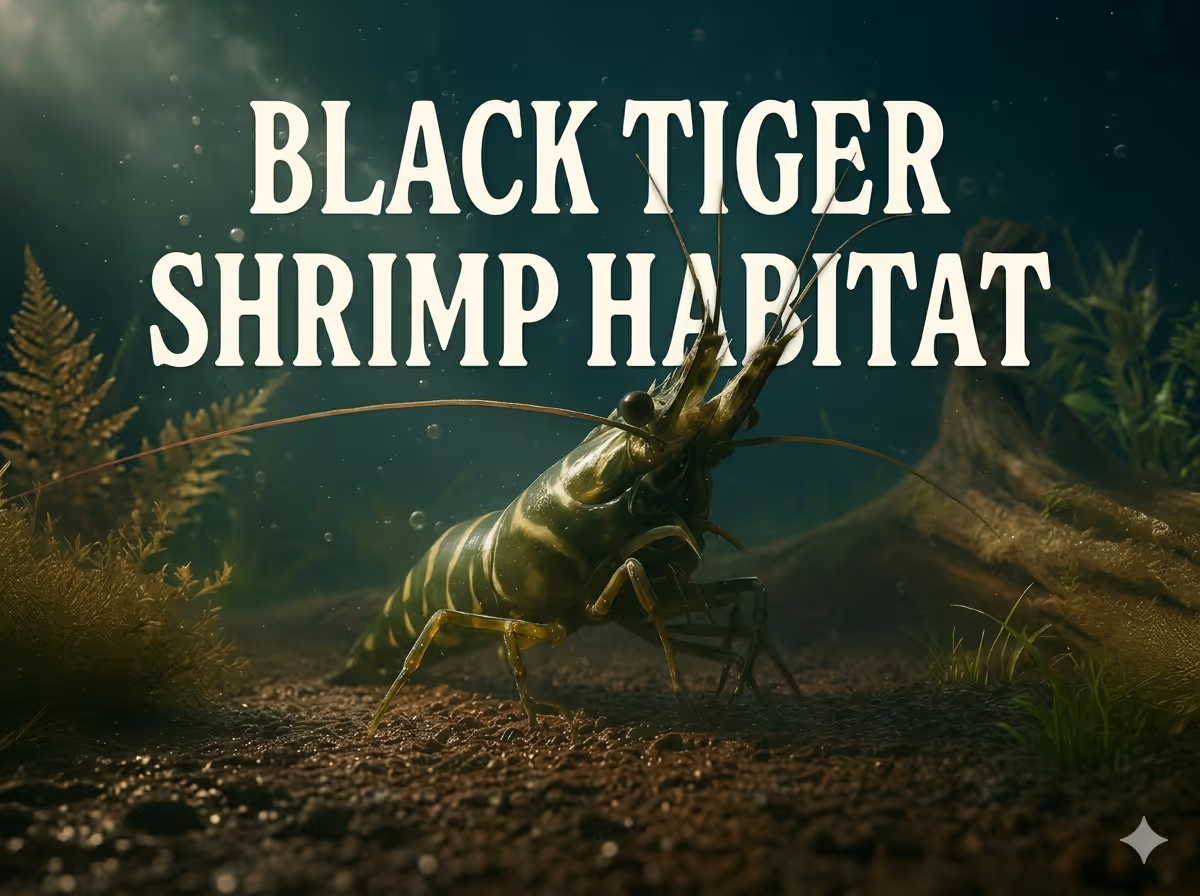
The Black Tiger shrimp does not live in the open ocean or in fresh inland rivers. Instead, it thrives in the middle ground. The ideal habitat is found where fresh water from inland rivers meets the salty surge of the sea. This creates "brackish" water, a unique mixture that provides the perfect salinity for the Black Tiger to grow strong and healthy.
These shrimp are naturally drawn to soft, muddy bottoms that offer plenty of places to hide. This makes coastal estuaries, quiet lagoons, and winding mangrove creeks their true home. In these sheltered areas, the shrimp can find the nutrients they need while staying protected from the elements.
A Sanctuary for More Than Just Shrimp
The environments that support Black Tiger shrimp are some of the most important ecosystems on our planet. Mangrove forests and estuaries do much more than just provide a home for aquaculture. They act as natural barriers that protect our coastlines from erosion and storms.
Beyond protection, these areas are massive carbon sinks, helping to store carbon and keep our atmosphere in balance. They serve as nurseries for countless species of marine life, ensuring the biodiversity of our oceans remains intact. When we talk about the habitat of the Black Tiger shrimp, we are talking about a vital life support system for the entire coast.
Preserving the Balance
Protecting these habitats is not just about farming; it is about conservation. By understanding where the Black Tiger shrimp really thrives, farmers can work in harmony with nature rather than against it. Preserving this delicate balance ensures that both the environment and the aquaculture industry can continue to flourish for generations to come.
Every shrimp tells a story of the sea and the coastal forests that nurtured it. It is a story of a complex, beautiful ecosystem that we must work together to preserve.
Explore the Mangrove Wilds
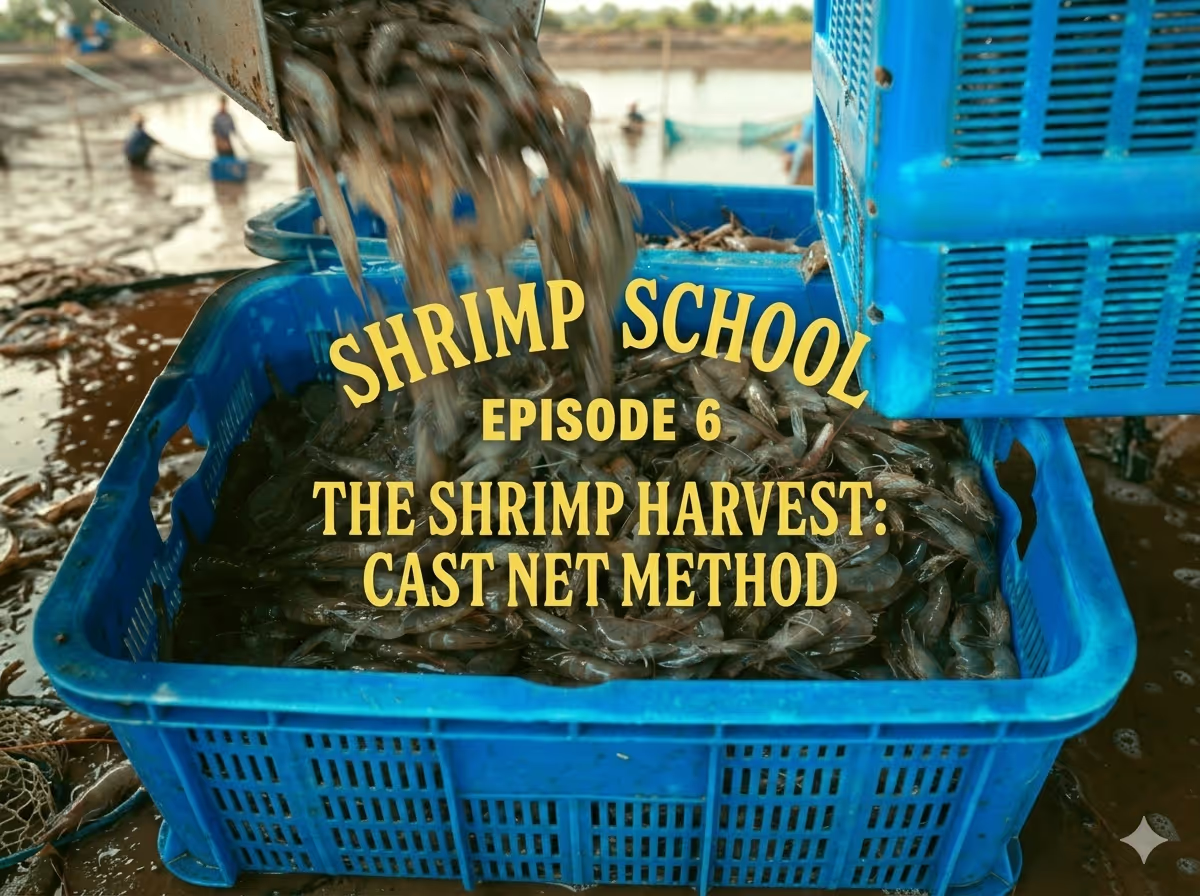
Want to see the beautiful landscapes where Black Tiger shrimp live and learn more about the science of brackish water? Watch our latest video to go on location and see these incredible habitats for yourself.
.avif)