




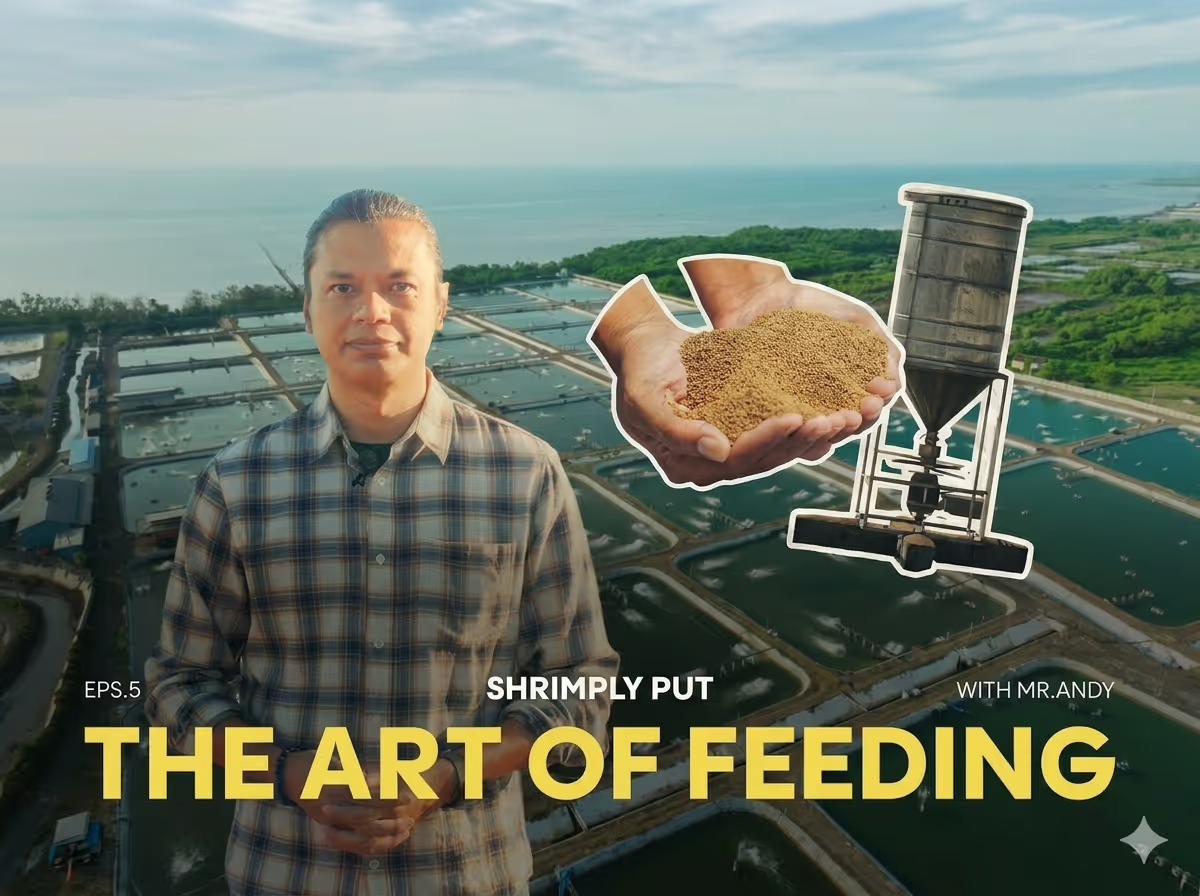

Understanding the Grazing Habit
To feed shrimp correctly, you first have to understand their nature. Shrimp are benthic, nocturnal animals, meaning they live at the bottom of the pond and are most active at night. Unlike predators that hunt for large meals, shrimp are grazers that pick at tiny bits of food throughout the day and night.
To match this natural behavior, modern farms use auto feeders. These machines deliver small amounts of feed every five to ten minutes. This constant, small scale delivery ensures the shrimp are always satisfied without leaving excess food to rot at the bottom. By using auto feeders starting around day 35 of the cycle, farmers can keep the water cleaner and the shrimp growing steadily.
The Science of the Feed Bag
Every bag of shrimp feed comes with specific percentages for protein and lipids. These are the building blocks of a healthy harvest:
- Protein: This is the muscle builder. Younger shrimp require a higher protein percentage because they are growing at their fastest rate.
- Lipids (Fats): This is the energy source. Lipids provide the fuel shrimp need to stay active and navigate the difficult process of molting.
However, balance is critical. While lipids are necessary for energy, too much can lead to oily, dirty water. The goal for a farmer like Andy is to provide exactly what the shrimp need to grow without hurting the water quality.
Measuring Efficiency with FCR
One of the most important acronyms on the farm is FCR, or Feed Conversion Ratio. This number tells the farmer exactly how many kilograms of feed it took to produce one kilogram of shrimp. A low FCR is the hallmark of an efficient farm. It means the shrimp are absorbing their nutrients effectively and the farmer is not wasting expensive resources.
From Blind Feeding to Precision Sampling
During the first 30 days of a shrimp's life, they are often too small to monitor closely. Farmers use a method called "blind feeding," providing a steady amount of nutrients to ensure these tiny larvae have everything they need.
After those first 30 days, the strategy shifts. Farmers begin using weekly samples to calculate the "biomass" of the pond. By knowing exactly how much the shrimp weigh in total, they can adjust the feeding rate to be as precise as possible. This ensures no shrimp goes hungry and no feed goes to waste.
Smart feeding leads to a thriving farm and a premium product for your table. When you choose high quality shrimp at the store, you are seeing the result of this careful, daily dedication to nutrition.
Master the Feeding Routine
Want to see an auto feeder in action and learn more about how Andy calculates his weekly biomass? Watch the full episode of Shrimply Put to see how the experts handle the most important part of the job.
.avif)