



.avif)

Decoding the Acronyms: BAP and ASC
When you walk through a grocery store, you might see small seals on seafood packaging labeled BAP (Best Aquaculture Practices) or ASC (Aquaculture Stewardship Council). To the average shopper, these might look like simple paperwork, but to a farmer, they represent a rigorous commitment to excellence.
These certifications act as a global language of trust. They prove that a farm is operating at the highest possible level, ensuring that every shrimp produced is safe, high quality, and tracked from the hatchery to the freezer.
A Three Pillars Approach
Responsible farming isn't just about food safety; it is about a holistic approach to the world around us. Andy explains that these certifications focus on three critical pillars:
- Environmental Impact: This ensures that the farm protects the local ecosystem. From managing wastewater to preserving mangroves, it is about making sure the planet stays healthy while we grow food.
- Workers’ Rights: A farm is only as good as its team. These standards guarantee that every worker is treated fairly, paid well, and provided with a safe working environment.
- Social Contribution: Farming happens within a community. Certifications ensure that the business supports the people living around the ponds, creating a positive cycle of growth for the entire region.
The Global Ticket
For any farmer looking to grow their business, these standards have become a necessity. If you want to export shrimp to premium markets or see your product in major retailers like Target or Kroger, these certifications are no longer optional: they are expected.
As Andy puts it, these stamps are more than a seal of approval; they are a promise. They tell the consumer that the shrimp they are buying was raised with respect for the Earth and the people involved in the process. When a farm follows these rules, they aren't just producing seafood: they are building a sustainable future for the entire industry.
See the Standards in Action
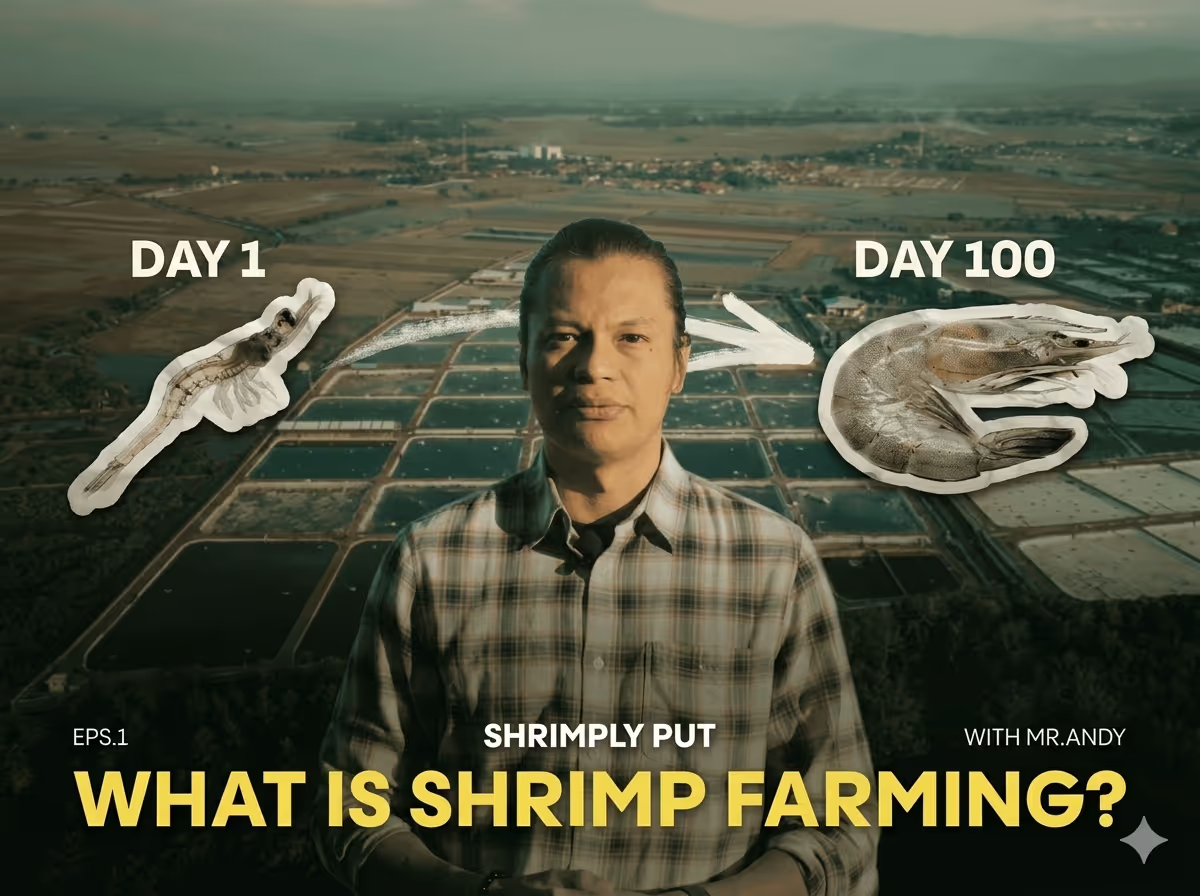
Curious about what a certified farm actually looks like on a daily basis? Watch the full episode of Shrimply Put to see how Andy and his team implement these global standards to ensure the best quality for your table.